Why Some Books Stay With You Forever

Some books fade from memory the moment we finish them.

Others stay with us for years.

These stories leave something behind. A line we remember. A character who felt real. A moment that made us pause and reflect.

The most powerful books connect with readers on an emotional level.

They remind us of something about ourselves or the world around us that we may not have noticed before.

Those are the stories that truly matter.

Because they become part of the way we see the world.

The Readers Who Love the Darkest Stories

Readers who enjoy darker stories often understand something others don’t.

They know that fiction is not just about comfort. Sometimes it is about exploring emotions, experiences, and situations that are complicated or intense.

Dark stories allow readers to explore difficult themes in a safe way.

They reveal how fragile, passionate, and unpredictable human emotions can be.

For many readers, these stories are not about glorifying darkness.

They are about understanding it.

Stories That Challenge the Rules

Not every story is meant to follow the rules.

Some books are written to challenge the way we think about love, morality, and human behavior. They push readers to question what is right, what is wrong, and what exists somewhere in between.

These kinds of stories often make people uncomfortable.

But discomfort can be powerful. It forces us to examine perspectives we may have never considered before.

The best books are not always the easiest ones to read. Sometimes they are the ones that challenge us the most and leave us thinking long after we turn the final page.

Not Everyone Is Meant to Fit the Mold

The world has always tried to place people into neat categories.

Labels, expectations, and social norms attempt to define what someone should be and how they should behave.

But not everyone is meant to live inside those boundaries.

Some people are meant to question things, challenge expectations, and walk their own path.

Being different is not something to apologize for.

Sometimes the people who refuse to fit the mold are the ones who end up creating something entirely new.

Embracing the Real You

There comes a point in life where pretending becomes exhausting.

Trying to fit into expectations, hiding parts of yourself, or shaping your personality to make others comfortable eventually takes its toll.

Authenticity requires courage.

It means allowing the real version of yourself to exist openly, even when others may not understand it.

But the freedom that comes with authenticity is worth it.

Because the moment you stop pretending is often the moment you finally begin living as the person you were always meant to be.

Society Fears What It Doesn’t Understand

People often judge what they do not understand.

When someone chooses to live differently, think differently, or embrace parts of themselves that society finds uncomfortable, criticism often follows.

But those reactions usually say more about fear than truth.

Human beings are complex. We are shaped by our experiences, our struggles, and the lessons life forces us to learn.

Not everyone will understand your story.

And that is okay.

You were never meant to live your life according to someone else’s comfort.

There’s Beauty in Darkness

Society often teaches us to fear darkness.

We are told to hide the difficult parts of ourselves, the emotions that make others uncomfortable, and the experiences that shaped who we are.

But darkness is not always something to fear.

Sometimes it is where growth begins. It is where we learn resilience, strength, and the depth of our own character.

Without darkness, we would never fully appreciate light.

The truth is that both exist within every person. And there is a strange kind of beauty in learning to embrace all of it.

Books That Explore the Human Mind

Some books entertain us, and some books challenge the way we think.

Stories that explore the human mind often dig deeper than simple plots or predictable endings. They examine motivations, fears, desires, and the hidden parts of human nature.

These are the books that make readers pause and reflect.

They remind us that every person carries a story beneath the surface, shaped by experiences, struggles, and choices.

The best stories do more than just entertain.

They help us understand ourselves and the world around us a little more clearly.

The Psychology Behind Dark Romance

Dark romance explores emotions that many stories avoid.

These books often dive into themes of power, vulnerability, obsession, and emotional intensity. Instead of presenting love as something perfectly balanced, they explore the complicated dynamics that can exist between two people.

For readers, this creates a powerful experience.

Dark romance allows us to examine difficult emotions safely through storytelling. It invites us to question what love, loyalty, and connection truly mean.

While the stories may be intense, they also remind us that human emotions are rarely simple.

And sometimes the most complicated stories are the ones that stay with us the longest.

The Allure of the Anti-Hero

The anti-hero is one of the most fascinating characters in storytelling.

They are not the typical hero who always does the right thing. Instead, they operate somewhere between light and darkness, making decisions that are sometimes questionable but always interesting.

Readers are drawn to them because they feel unpredictable.

Anti-heroes challenge the idea that goodness must always be pure and simple. They show that strength can come from flawed places and that redemption is often messy.

In many ways, the anti-hero reflects the complexity of real life.

And that is exactly why we cannot stop turning the pages.

Why Readers Love Dark Characters

Not every reader is drawn to perfect heroes or flawless love stories.

Some of us are more interested in the characters who carry scars, secrets, and complicated pasts. The ones who walk through the story with shadows behind them and choices that are never simple.

Dark characters feel real.

They remind us that people are layered and imperfect. They make mistakes, they struggle, and sometimes they walk a line between right and wrong.

That complexity is what makes their stories unforgettable.

Because sometimes the most powerful characters are the ones who are still trying to figure out who they truly are.

Boundaries Aren’t Cruel

Many people struggle with boundaries because they fear hurting others.

They worry that saying no will make them seem cold, distant, or selfish. But boundaries are not acts of cruelty.

They are acts of self-respect.

Healthy boundaries protect your energy, your peace, and your well-being. They remind others that your time, emotions, and mental space deserve respect.

The people who truly care about you will understand that.

And the ones who don’t were never meant to have unlimited access to your life in the first place.

The Truth About Walking Away

Walking away from someone is never easy.

Especially when that person was once important to you. Especially when memories, history, and emotions make it difficult to let go.

But sometimes the bravest decision we can make is choosing peace over familiarity.

Walking away does not mean you stopped caring. It means you finally recognized your own worth.

Sometimes distance is the only way to protect the life you are trying to build.

And choosing yourself is never something you should feel guilty about.

Strength Born From Survival

Strength is often misunderstood.

People think strength means never struggling, never breaking, and never showing the weight of what life has placed on your shoulders.

But real strength looks different.

Real strength is waking up after the hardest days and continuing forward anyway. It is learning how to carry pain without letting it define your entire story.

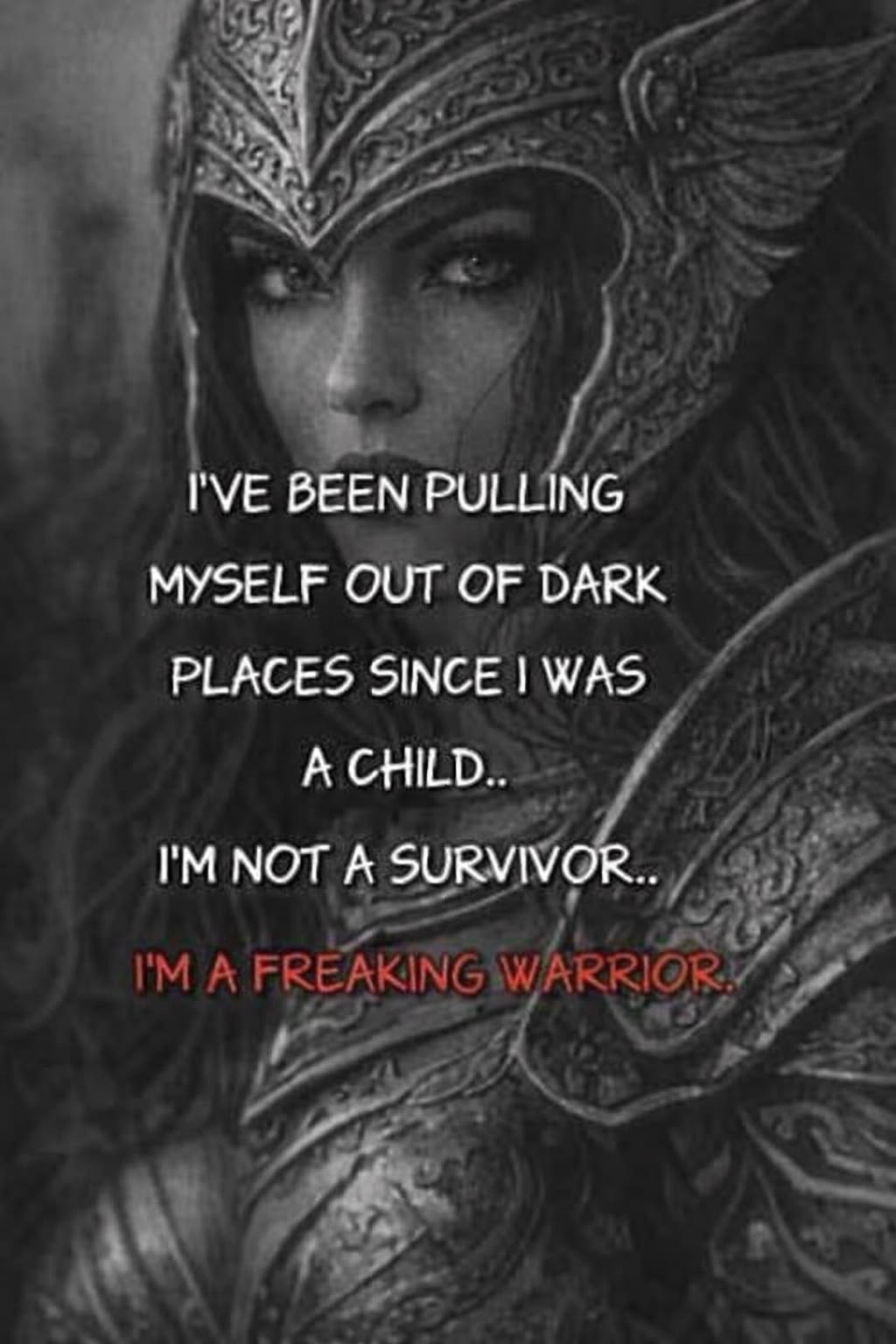
Survivors understand this kind of strength better than anyone.

Because survival itself is proof that the human spirit is far more powerful than the darkness it sometimes has to face.

Healing Doesn’t Always Look Soft

People often imagine healing as something peaceful and gentle. They picture calm moments, quiet reflection, and everything slowly falling back into place.

But real healing is rarely that simple.

Sometimes healing looks like anger. Sometimes it looks like distance, boundaries, and learning to say no to things that once felt familiar. Sometimes it means walking away from people who never deserved the space they held in your life.

Healing is not always soft.

Sometimes it is fierce, uncomfortable, and deeply transformative. And that is okay. Growth often begins in the places that challenge us the most.

Some Love Stories Aren’t Meant to Be Safe

Many stories try to show love as something simple and easy. But real emotions are rarely that clean.

Some love stories are built on tension, mistakes, and complicated choices. They explore the darker sides of connection and the risks people take when they open their hearts.

These stories are not meant to comfort readers. They are meant to make us feel something deeper.

Because love is not always safe.

Sometimes it is chaotic, passionate, and unpredictable.

And sometimes the most unforgettable stories are the ones that refuse to play by the rules.

The Power of Dangerous Love Stories

Not every love story is meant to be safe.

Some stories explore passion that burns too bright, relationships that challenge our beliefs, and emotions that push people beyond their limits. These stories can be uncomfortable, but they are also powerful.

Dangerous love stories force readers to confront complicated emotions. They explore desire, obsession, loyalty, and vulnerability in ways that feel raw and intense.

Sometimes love is not calm and predictable. Sometimes it is wild, consuming, and impossible to ignore.

And those are often the stories that stay with us long after we finish the last page.

Morally Grey Characters Are the Most Honest

Perfect characters rarely feel real. The truth is that people are complicated, flawed, and full of contradictions. That is why morally grey characters are often the most interesting ones to read about.

These characters make mistakes. They carry scars. They walk the line between right and wrong in ways that feel incredibly human.

Readers connect with them because we understand that nobody is purely good or purely bad. Life exists somewhere in between.

Morally grey characters remind us that the world is not black and white. It is full of shadows, and sometimes those shadows tell the most honest stories.

Why Dark Romance Hits Different

There is something about dark romance that pulls readers in deeper than most stories ever could. These books are not about perfect love or fairytale endings. They are about complicated people, messy emotions, and the parts of ourselves that we often keep hidden.

Dark romance explores the shadows of human nature. It shows us that love is not always soft or gentle. Sometimes it is intense, dangerous, and unpredictable. That is exactly what makes these stories feel so real.

Readers are not looking for perfection. We are looking for truth. And sometimes the darkest stories are the ones that understand the human heart the most.

Untouchable

They mistook her pain for weakness.

They thought survival would make her grateful. Softer. Smaller.

Instead, it made her precise.

She learned the weight of her silence.

The power of her boundaries.

The danger of her refusal.

She does not apologize for the fire that kept her alive.

She does not beg to be chosen.

She does not shrink to be loved.

She is enough — not because she endured.

But because she decided she was.

And once a woman decides that?

She becomes untouchable.

Not the Bad Boy — The Broken King

We don’t fall for the villain.

We fall for the moment he hesitates.

The moment control slips.

The moment anger turns protective.

The moment he chooses her over ego.

In the Royal Elite world, power isn’t attractive.

Vulnerability is.

Not the soft kind.

The dangerous kind.

The kind that says:

“I would burn everything for you — and I hate that I would.”

That’s the addiction.

Men Who Think They’re Unworthy of Her

(Royal Elite Edition)

There’s a particular kind of man I am drawn to in dark romance.

Not the perfect one.

Not the redeemed golden boy.

The fractured king.

The one who commands the room but internally believes he is poison.

In Rina Kent’s Royal Elite world, power is everything.

But power doesn’t erase insecurity.

It amplifies it.

Aiden King

Aiden doesn’t think he’s unworthy in a fragile way.

He thinks he’s destructive.

He doesn’t push her away because he lacks confidence.

He pushes because he believes proximity to him is dangerous.

Control is his armor.

Cruelty is his shield.

But beneath that?

He is terrified of being the reason she breaks.

And that’s where the slow burn ignites.

Xander Knight

Xander’s version of unworthiness is different.

Less calculated.

More chaotic.

He doesn’t doubt his dominance — he doubts his depth.

He masks insecurity with recklessness.

He deflects with charm.

He pretends indifference while feeling everything too loudly.

Where Aiden restrains, Xander reacts.

Both believe, in their own way, that she deserves better.

And yet… they cannot let her go.

And then end with something sharp:

I don’t read Royal Elite for the cruelty.

I read it for the fracture.

For the moment the most powerful man in the room realizes she chooses him — not because he is perfect.

But because she sees him.

And that terrifies him more than anything.

“You Don’t Get the Soft Version of Me Anymore”

There was a time when I overextended myself.

When I kept peace at my own expense.

Motherhood changed that.

Not because it hardened me.

But because it clarified me.

When you are responsible for shaping safe spaces for small humans, you learn quickly what deserves access — and what doesn’t.

Not everyone gets the soft version of me anymore.

And that’s intentional.

“Motherhood Is Not Fragility”

There is a quiet assumption that mothers are meant to be soft at all times.

Gentle. Agreeable. Forgiving.

But motherhood is not fragility.

It is endurance.

It is discernment.

It is knowing exactly what your children need — even when others don’t understand it.

Softness has its place.

But so does steel.

And some of us became steel long before we became mothers.

 “The Fantasy of Being Chosen”

At the core of many dark romances is one powerful theme:

Being chosen.

Not tolerated.

Not convenient.

Not replaceable.

Chosen — deliberately.

It’s not about ownership.

It’s about significance.

About a character who would burn the world down

but instead builds safety around one person.

That dynamic hits something ancient in us.

And fiction lets us examine it without risk.

“We Don’t Actually Want Chaos”

People assume readers of dark romance crave destruction.

But most of us crave intensity with boundaries.

We want depth.

We want devotion.

We want to explore the edge — safely.

The appeal isn’t dysfunction.

It’s contrast.

When a character is ruthless with the world

but careful with one person?

That’s not chaos.

That’s selective vulnerability.

“When the Hero Is the Trigger”

Dark romance doesn’t always give you a safe man first.

Sometimes he is the trigger.

The reminder of wounds.

The mirror of past patterns.

The embodiment of what the heroine once mistook for love.

But the story isn’t about glorifying that.

It’s about transformation.

It’s about watching someone confront their darkness — not excuse it.

Because redemption arcs only matter when the character earns them.

And that’s what makes it compelling.

Not danger.

Growth.

Boundaries Are Not Punishments

When I step back, it is not to hurt you.

When I say no, it is not to control you.

When I limit access, it is not to prove a point.

It is to preserve something sacred.

My energy.

My home.

My children’s sense of safety.

Boundaries are not weapons.

They are fences.

And fences do not exist to keep love out —

they exist to keep harm from walking freely inside.

If that changes the dynamic,

then maybe the dynamic needed to change.

Calm Is the Goal Now

I used to think love was intense.

Big emotions.

Big reactions.

Big efforts to keep everything together.

But healing softened that belief.

Now, I crave calm.

A home that feels steady.

Conversations that don’t leave my nervous system shaking.

Relationships that don’t require constant explanation.

Calm is not boring.

It is secure.

It is safe.

It is earned.

And I will choose calm — even if that choice disappoints people who prefer chaos.

Because peace is not something I stumble into anymore.

It is something I protect.

The Hardest Boundaries Are the Ones With History

There is something different about setting boundaries with people who knew you when you were small.

People who watched you grow.

People whose voices still echo in your head.

It would be easier if they were strangers.

Easier if there were no memories attached.

But history does not excuse harm.

Familiarity does not erase impact.

Sometimes the bravest thing you can do is say,

“I love you… but this is not healthy for me anymore.”

Not with anger.

Not with revenge.

With clarity.

Because healing teaches you that protecting your peace is not betrayal.

It is growth.

And growth often requires distance from what once felt normal.

You Can Love Them and Still Lock the Door

There’s a quiet grief that comes with choosing peace.

Not the loud kind.

Not the dramatic kind.

The kind that sits in your chest when you realize loving someone does not mean giving them access to you.

For a long time, I believed that if I just explained myself better, softened my tone, or tried harder to be understood, things would change. I thought love meant endurance. I thought family meant obligation.

But healing has a way of rewriting definitions.

Love does not require you to tolerate disrespect.

Family does not get a free pass to harm you.

And protecting your children is not cruelty — it is responsibility.

There is nothing narcissistic about boundaries.

There is nothing selfish about protecting your peace.

There is nothing wrong with saying, “This stops here.”

Sometimes the strongest thing a mother can do is stand between chaos and her children and say, “No further.”

That kind of strength will be misunderstood by people who benefited from your silence.

But your children will understand it one day.

They will understand that safety felt calm.

That home felt steady.

That love did not feel conditional.

And if that costs you approval from people who refuse to grow?

So be it.

Because peace is worth protecting.

Some Songs Feel Like Closure

There are songs I can listen to now

without flinching.

Songs that used to feel like open wounds

that now feel like old scars.

That’s how I know I’ve grown.

The memory is still there.

But it doesn’t own me anymore.

Healing is subtle like that.

One day you realize the song still plays —

but your chest doesn’t tighten.

And that’s when you know

you’ve made it further than you thought.

The Playlist Version of Me

If you really want to know someone,

listen to the songs they play on repeat.

There’s the strong one.

The soft one.

The angry one.

The hopeful one.

All of them exist at the same time.

My playlist is not random.

It’s layered.

It holds the parts of me that are healing.

The parts of me that are still tender.

The parts of me that are learning to trust again.

Sometimes growth doesn’t look like silence.

Sometimes it sounds like turning the volume up.

The Difference Between Sad Songs and Healing Songs

Not all sad songs are the same.

Some keep you stuck in the wound.

Others help you process it.

There’s a difference between replaying pain

and sitting with it long enough to understand it.

Healing songs don’t rush you.

They don’t shame you for feeling too much.

They let you cry.

They let you breathe.

They let you feel without judgment.

And eventually, they remind you that you survived the chapter the song was written about.

The Songs That Held Me Together

There were days I didn’t have the words.

Days when explaining how I felt would have taken more energy than I had.

So I let music do it for me.

A song in the background while I cleaned.

A lyric that hit too close to home.

A chorus I played three times because it felt like someone understood.

Music has this quiet way of holding what we can’t carry out loud.

It doesn’t fix everything.

But it reminds you that you’re not the only one who has felt this way.

And sometimes that’s enough to get through the day.

“Devotion in the Dark”

The best dark romance heroes don’t stay dangerous.

They become deliberate.

They learn restraint.

They learn patience.

They learn how to touch without taking.

The sensuality evolves from sharp to steady.

From claiming to holding.

From control to devotion.

And there is something deeply satisfying about watching a man built on dominance kneel — not in weakness, but in loyalty.

That’s the real fantasy.

Not the darkness.

The transformation.

She Is Not the Victim”

One of the biggest misconceptions about dark romance is that the heroine is overpowered.

She isn’t.

She sees him clearly.

His flaws. His control issues. His obsession.

And she chooses him anyway.

That choice is where the sensual tension lives.

Because when she tilts her chin up instead of backing down…

When she challenges him instead of folding…

When she gives in because she wants to, not because she’s forced…

The dynamic shifts.

She isn’t conquered.

She participates.

And participation is power.

When Control Turns to Craving”

Control is clean.

Craving is messy.

The morally grey men I gravitate toward start controlled. Calculated. Unshakeable.

And then she touches something in them.

Not weakness.

Need.

The quiet jealousy.

The possessive tilt of his head.

The way his voice lowers when he says her name like it belongs in his mouth.

It’s not about domination.

It’s about unraveling.

The most sensual moments in dark romance aren’t explicit scenes.

They’re the pauses.

The eye contact that lingers too long.

The hand that slides to her waist and doesn’t move.

Power is attractive.

But hunger?

Hunger is irresistible.

The Pull of the Dangerous Ones”

There’s a reason the darker heroes stay under your skin.

It isn’t just their power.

It’s the way they look at her like she’s the only thing in the room that can undo them.

The possessiveness.

The tension in a hand wrapped around a wrist.

The way proximity feels like a threat and a promise at the same time.

Dark romance understands something most genres tiptoe around:

Desire and danger live close to each other.

But what makes it intoxicating isn’t fear.

It’s consent.

It’s the moment she doesn’t step back.

It’s the moment she leans in.

It’s the slow realization that she holds power too — maybe more than he does.

Because the man who controls everything loses control the second he wants her.

And that shift?

That’s the heat.

“I Chose Peace”

This is the anchor.

Not triumphant.

Not bitter.

Just grounded.

You didn’t walk away because you hate them.

You walked away because your nervous system couldn’t survive another round.

And that line? That’s powerful:

“Healing sometimes looks like distance.”

What Walking Away Took From Me”

Be real here.

It cost:

Relationships with extended family. Holidays. Familiarity. The version of you that hoped they would change.

But also say what it gave you.

Because distance creates clarity.

The Guilt Almost Made Me Stay”

This is where you get personal.

Talk about:

The second guessing. Wondering if you were too sensitive. Questioning if you overreacted. Wondering if walking away made you the villain.

Because that’s what people don’t talk about — when you choose yourself, someone will paint you as the problem.

Family Is Everything — Until It Isn’t”

This is where you confront the conditioning.

Talk about:

“But they’re your parents.” “Family is forever.” “You only get one.”

And then say what no one wants to admit:

Some families are unsafe.

Some love comes with control.

Some loyalty demands self-abandonment.

Control vs Protection

Control demands compliance.

Protection offers safety.

In fiction, we are drawn to the men who learn the difference. The ones who start from control and grow into protection.

That shift is what makes the arc satisfying.

Because protection is not about possession. It is about responsibility. It is about standing beside someone, not over them.

When power is paired with respect, it becomes something entirely different.

And that difference is what readers stay for.

The Women Who Choose

Dark romance is often criticized for its intensity. What is overlooked is the autonomy of the female lead.

She is not there by accident.

She is not there without awareness.

She stays, leaves, resists, negotiates — by choice.

Agency is the quiet current running beneath every powerful story. It is what separates fiction from dysfunction.

Choice changes everything.

And that is why these stories matter.

Armor Is Not the Same as Strength

In stories like the Elite series, the men often lead with control. They are strategic, dominant, emotionally guarded. But the real power dynamic is rarely what it appears to be on the surface.

True strength is not the loudest presence in the room. It is the ability to choose vulnerability without collapsing. It is the ability to stand in authority without diminishing someone else.

Armor is survival.

Strength is awareness.

The most compelling characters are not the ones who never bend. They are the ones who eventually understand why they built the armor in the first place.

And sometimes readers resonate with that because we have worn armor too.

Why We’re Drawn to Morally Grey Characters

There is something deeply misunderstood about the attraction to morally grey characters. It is rarely about chaos or cruelty. It is about complexity. It is about watching someone who has been shaped by damage choose whether they will remain defined by it.

Dark romance is not appealing because of toxicity. It is compelling because of transformation. Because somewhere in the tension, in the dominance, in the sharp edges, there is a question being asked: will this person grow?

The characters who hold power the tightest are often the ones who were once powerless. And readers recognize that. We understand armor. We understand survival instincts dressed as arrogance.

What draws us in is not destruction. It is the possibility of evolution.

And perhaps that says more about us than it does about them.

Blood Is Not a Free Pass

Being related to someone does not give them unlimited access to you.

Not to your peace.

Not to your healing.

Not to your children.

Not to your marriage.

Boundaries are not cruelty.

They are clarity.

And protecting your mental and emotional safety is not selfish — even if the people you are protecting yourself from are family.

When Love Hurts More Than It Heals

There is a specific kind of grief that comes from realizing the people who share your blood do not share your safety.

We are taught that family is sacred.

That loyalty is unconditional.

That forgiveness is a moral obligation.

But what happens when love feels like erosion?

What happens when every interaction leaves you smaller, anxious, or questioning your worth?

Walking away from toxic people is difficult.

Walking away from family feels like betrayal — even when it is survival.

No one talks about the quiet courage it takes to choose peace over proximity.

Sometimes love does not mean staying.

Sometimes love means stepping back so you can finally breathe.

Reading the Shadows

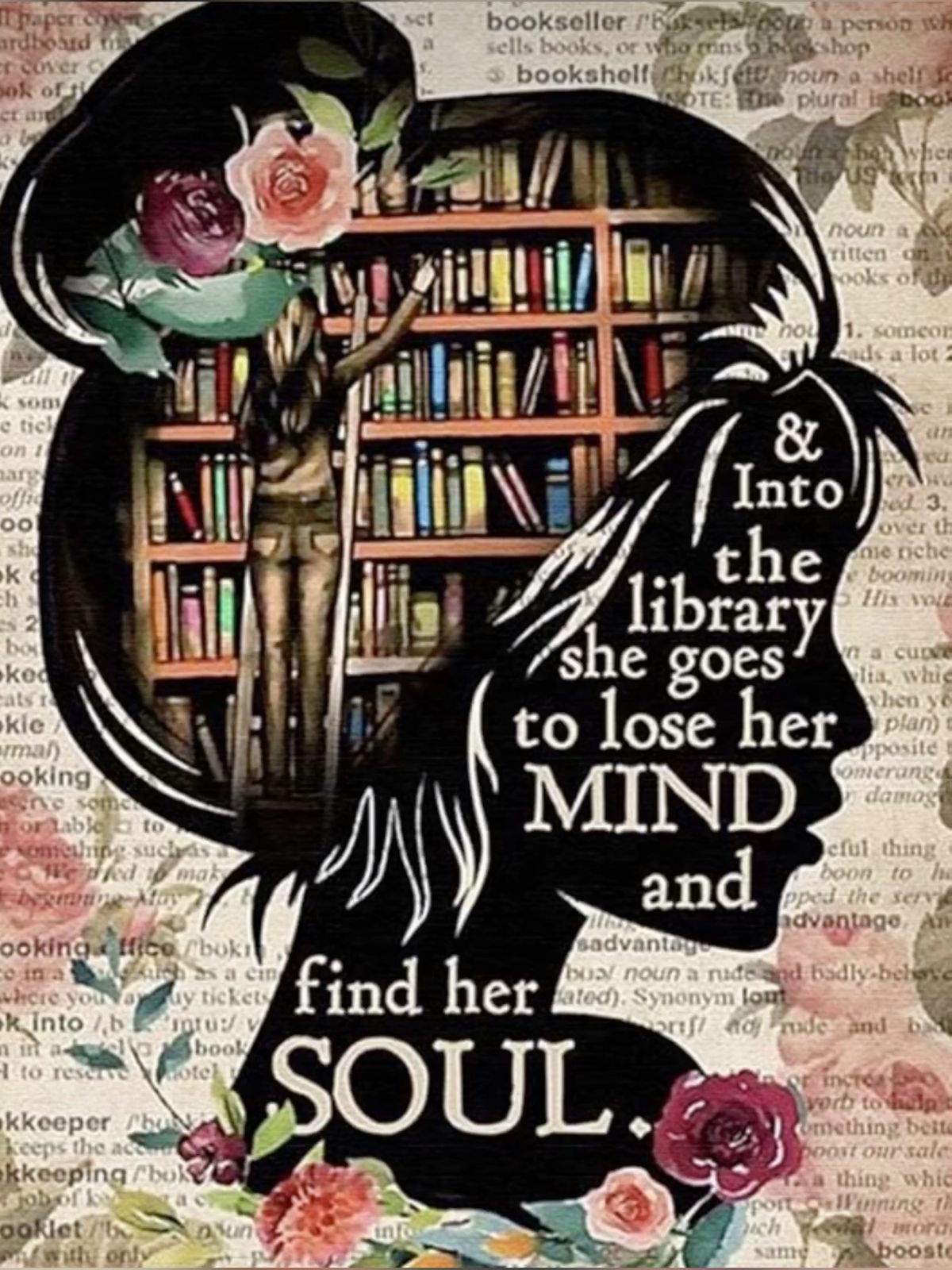
Books allow us to step into darkness

without losing ourselves.

We can explore control, dominance, obsession —

and then close the cover.

The shadow becomes a mirror, not a prison.

That is the beauty of fiction.

It lets us confront what we fear

and what we desire

in the same breath.

Why Intensity Feels Addictive

Intensity triggers adrenaline.

Adrenaline feels like passion.

Passion feels like destiny.

But real connection is steadier than that.

Dark romance lets us experience chaos safely.

It lets us confront the thrill

without living inside it.

There is wisdom in that separation.

Obsession vs Devotion

There is a thin line between obsession and devotion.

One consumes without care.

The other chooses with intention.

The best dark stories explore that tension —

where control becomes surrender,

where power becomes protection.

That edge is where the story breathes.

Why We Fall for the Villain

The villain is rarely evil without reason.

He is layered. Controlled. Often broken.

He doesn’t promise comfort — he promises intensity.

And in fiction, we explore the edges of power

without surrendering control in real life.

Dark romance does not glorify harm.

It dissects obsession.

It questions power.

It forces us to confront what draws us to shadows.

We don’t fall for the villain.

We fall for complexity.

Becoming Safe

The greatest shift in my life

was not finding someone strong.

It was becoming someone safe —

for myself.

Safe enough to leave what harms me.

Safe enough to stay where I am valued.

Safe enough to soften without fear.

That is the evolution.

Armor

I learned to sharpen my softness.

To anticipate disappointment.

To protect before I was asked to trust.

Armor kept me alive.

But it also kept me alone.

Healing was not removing the armor.

It was learning when I no longer needed it.

What I Once Called Love

I once believed love had to hurt

to matter.

That gentleness meant boredom.

That calm meant indifference.

I didn’t know peace could feel foreign

when you’re used to surviving storms.

Now I understand:

love is not meant to destabilize you.

It is meant to steady you.

Design a site like this with WordPress.com
Get started